
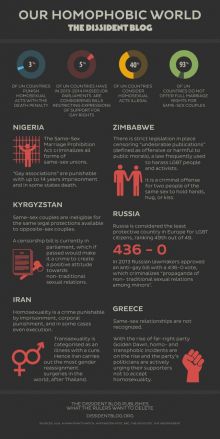

What may not be spoken about is always very important. This truism is known to writers who have surprised themselves with having written something controversial while believing that they were merely depicting unusual human predicaments, some unknown section of society, or simply their own everyday life. Of course, every now and then art seeks conflict and aims to provoke; naturally writers sometimes want to shock and irritate the readers – this is part of the essence of modern culture. Literature, however, becomes really threatening when writers simply reflect a reality that is taboo to talk about or simply one that may not be revealed. The questions that unfailingly arise are: why may this particular issue not be addressed? What is at stake here?
When one begins to speak of things that have been regarded as out of bounds the reaction seems to follow a set course that is the same disregarding the particular topic. Whether one has written about slavery, women’s rights, or LGBT issues – no matter the topic, the reaction to it seems to follow the same trajectory. The first reaction is usually to downplay the topic: it is not important and we need not look into it. The second reaction is one of ridicule: just imagine the consequences if we were to free all the slaves! And what would happen if women were given the right to vote? It is so obviously impossible and it is against the laws of nature. Then comes the more dangerous phase: the violence, the imprisonments, and the threats. These do not come immediately but rather at a time when freedom is usually already beyond reach.


