
At the end of the 1990s ECHELON popped up as a new acronym on the international debating scene. Journalists, also journalists in New Zeeland, published information concerning the gathering of signals intelligence during the Cold War saying that this had not diminished. Instead it had increased to ever more astronomic proportions and was also now being used to monitor for example the network traffic of European companies. The issue was at first regarded with scepticism almost as if it was one conspiracy theory among others, until no other than James Woolsey, the former director of the CIA, confirmed that the system existed and was being used in this way. Technology had made it possible.
At the time the world was in the decade’s calmest period of détente following the fall of the Iron Curtain and before 9/11. Notwithstanding, the digital surveillance systems spread quicker than ever and security services encroached ever more on the integrity of the citizens and on business secrets—simply because it was technically possible.
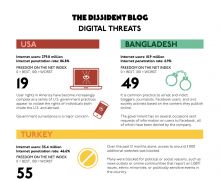
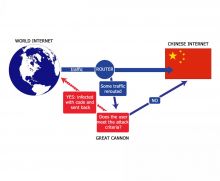
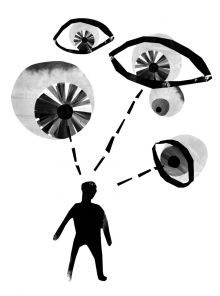
To reverse technological development is neither possible nor desirable. Nobody is surprised that non-democratic countries such as China and Iran use digital surveillance to keep their citizens in control—this is the very nature of totalitarian thinking. In the meantime though democratic countries’ intelligence services and monitoring activities, with reference to the security of their citizens, are becoming a threat to the freedom of speech. In order to protect you we need to spy on you, map your face, your shopping habits, and your manner of walking—or else you are in danger. This information is then used to curtail the rights of the populace. It is now possible to apprehend anyone anywhere and to move them any place for interrogation—all in the name of freedom. Also, we are prone to disregard the fact that the data information systems have gaps and inconsistencies that can result in very warped outcomes.


